The match is more lopsided than it looks
It's the question you ask yourself nose-in-glass and never quite settle: does this wine smell of red fruit or black fruit? Strawberry or blackberry, raspberry or blackcurrant?
The two families have shared the vocabulary of red wine forever. We wanted to know which one actually wins. So we counted.
At the date of this analysis, out of the 4,143,729 tasting expressions analysed by Tastee, here is how the two camps break down.
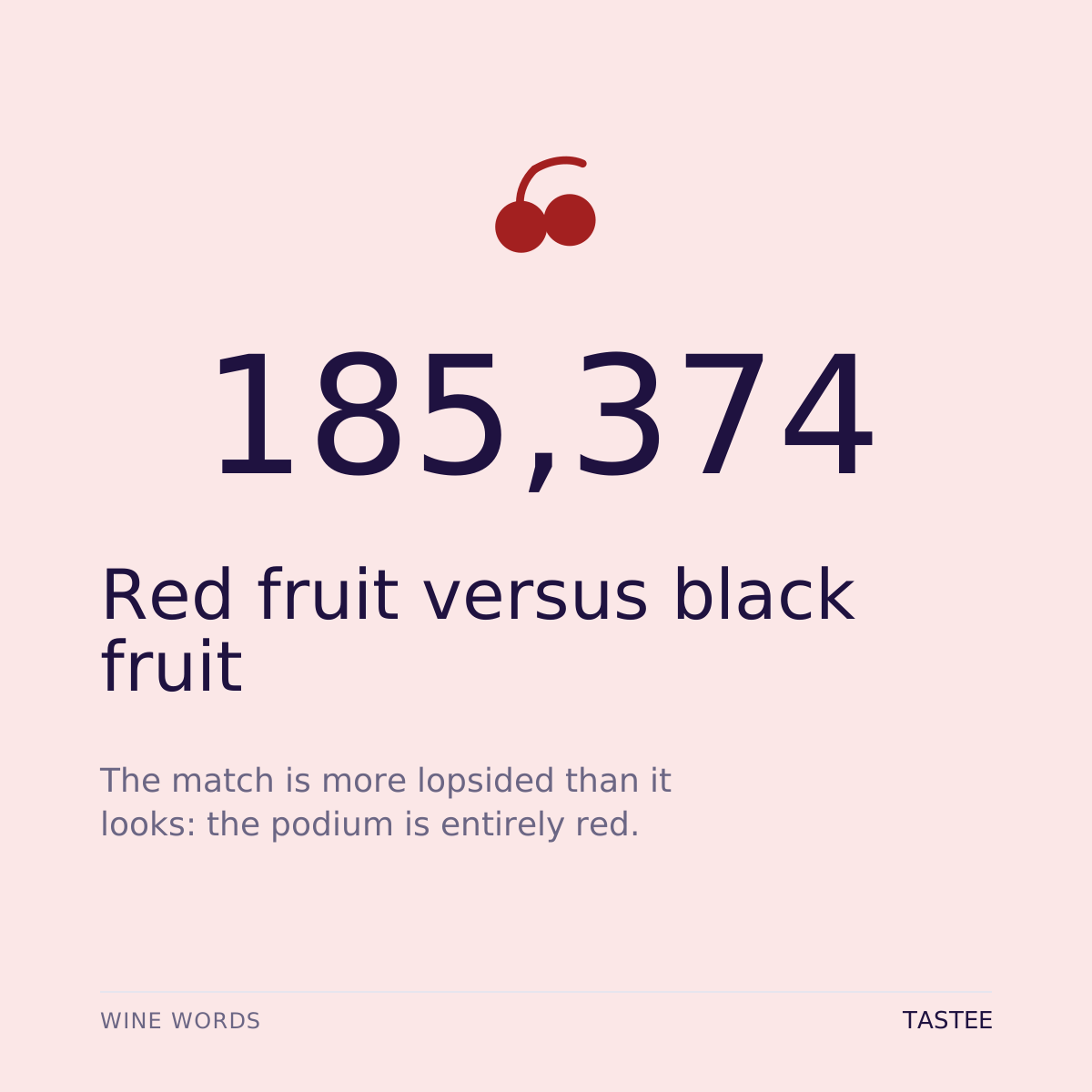
Red fruit wins, and not on the line: 1.7 times more mentions. Red wine smells of red fruit — hardly a finding to shake oenology. The detail of the ranking, though, is a good deal more talkative.
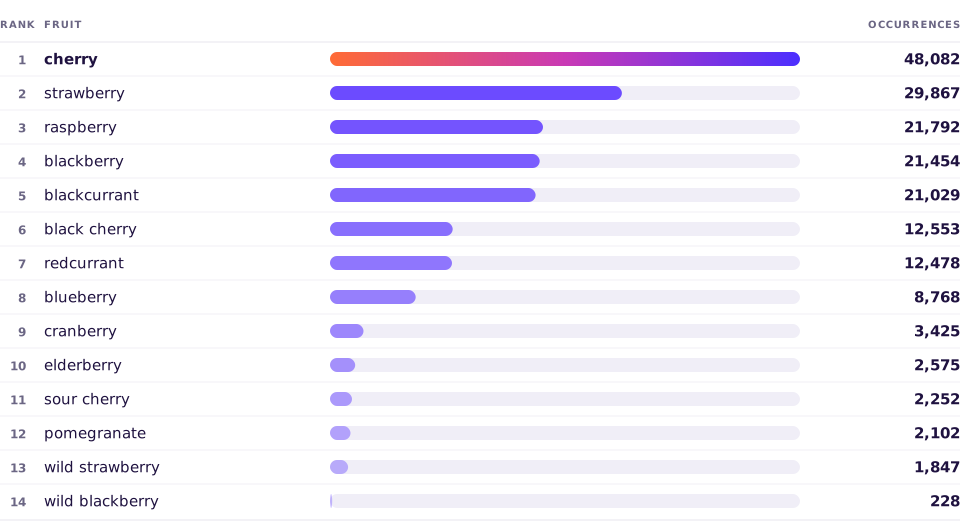
The podium is entirely red, and the leader walks alone. Cherry on its own outweighs blackberry and blackcurrant combined. The top three red fruits gather 99,741 mentions — more than every black fruit in the ranking put together.
You have to go down to fourth place to meet a black fruit. And even then: blackberry and blackcurrant sit 425 occurrences apart, a hair's breadth after four million expressions were combed through.
Three explanations seem plausible to us.
The first: red fruits are the fruits of childhood. Strawberry, raspberry, cherry — everyone has eaten them, picked them, smelled them a thousand times. Wild blueberry or elderberry, far less. We name best what we hold in memory.
The second: black fruits tend to be tied to more concentrated, more tannic wines, whereas red fruits span a far broader range of styles and grape varieties. Statistically, they simply get more chances to be cited.
The third: “red fruit” has become a verbal tic. It gets written on reflex, where “black fruit” asks for one extra beat of decision.
Next time “red fruit” comes to you on its own, pause for a second. Strawberry or raspberry? Fresh cherry or black cherry? The difference between the two camps often plays out in that moment of hesitation.
Record your own aromas on Tastee too, red or black. Who knows… the next wild blackberry in the database might be the one you write.
Thousands of comments sit dormant in notebooks, spreadsheets, and inboxes. Tastee turns them into sensory profiles, shareable reports, and ready-to-use materials — from a single cuvée's profile to an appellation's typicity, in every language your tasters write in.
Request a demo