Wine really only knows two of them
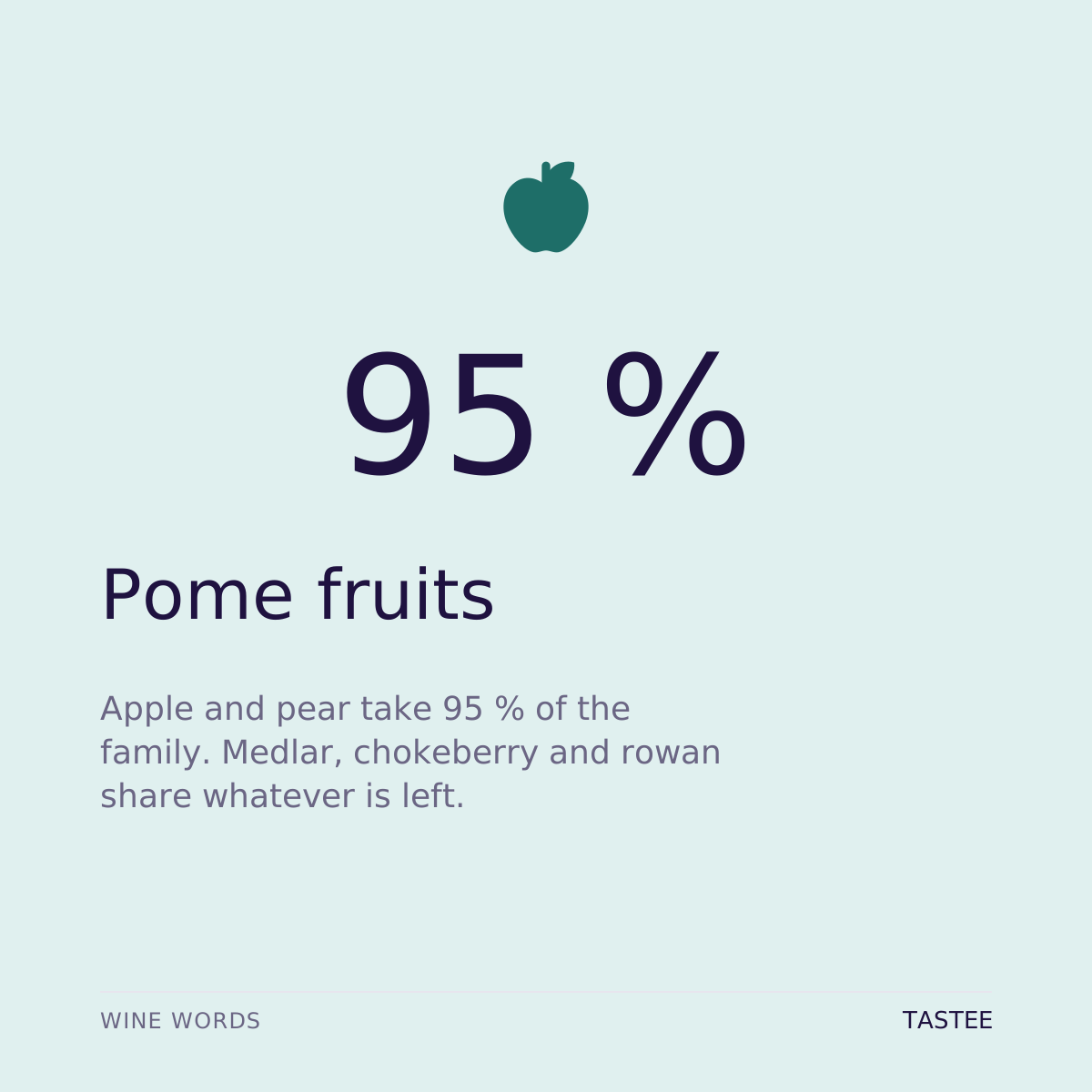
Apple, pear, quince… and then? The pome fruit family has plenty of members, but wine really only recognises two…
At the date of this analysis, out of the 4,143,729 tasting expressions analysed by Tastee, pome fruits account for 77,754 occurrences. Here is the full ranking.
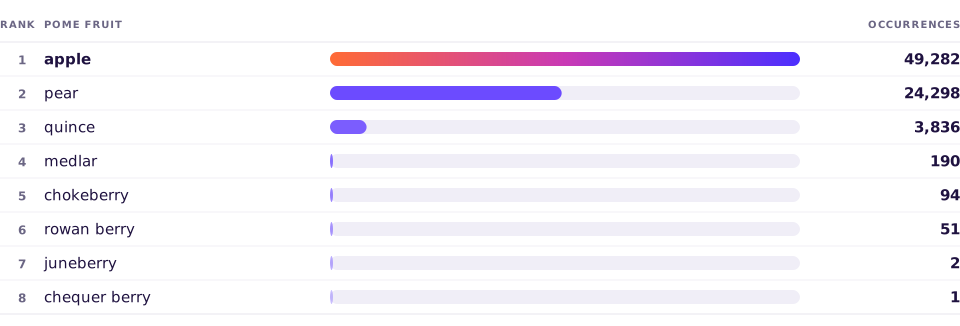
Between quince and medlar, the ranking loses 95 % of its volume in a single line. On one side, three fruits you can still find at the greengrocer's; on the other, hedgerow fruits nobody picks any more.
Medlar, 190 times. Chokeberry, 94. Rowan, 51. Juneberry, twice, including a magnificent “first flavours of juneberries” we would love to see in context. Chequer berry, once, out of more than four million expressions.
Third in the ranking, quince has a quirk: it is rarely cited as such. Of its 3,836 mentions, 486 name a preparation: quince paste, jelly, jam, marmalade, compote. That is 12.7 %, against 5.7 % for apple and 3.3 % for pear.
No surprise: it is the one pome fruit nobody ever eats raw. Harsh, hard, astringent, it only becomes edible once cooked.
As often, the ranking says more about tasters than about wines. We name what we have eaten: apple and pear sit in every fruit bowl, while medlar and chequer berry left the orchards before most of us arrived.
Next time a white brings to mind a pome fruit that is a little austere, a little sharp, a little autumnal, try “medlar”. You will be joining a very small club: 190 occurrences in the whole database.
Record your own aromas on Tastee too, however rare they are. Who knows… the first azarole in the database might be the one you write.
Thousands of comments sit dormant in notebooks, spreadsheets, and inboxes. Tastee turns them into sensory profiles, shareable reports, and ready-to-use materials — from a single cuvée's profile to an appellation's typicity, in every language your tasters write in.
Request a demo