The vocabulary wine is most criticised for is the one you find least in it
Wine is regularly accused of telling itself in the masculine and the feminine. The delicate ones would be feminine, the structured ones masculine, and tasting vocabulary would betray habits it has never quite shaken off.
The corpus makes it possible to count rather than assume. The result is surprising in both directions.
At the date of this analysis, out of the 4,143,729 tasting expressions analysed by Tastee, drawn almost exclusively from professional tasting comments, here are the words that give wine a character, the ones that describe it as one would describe a person.
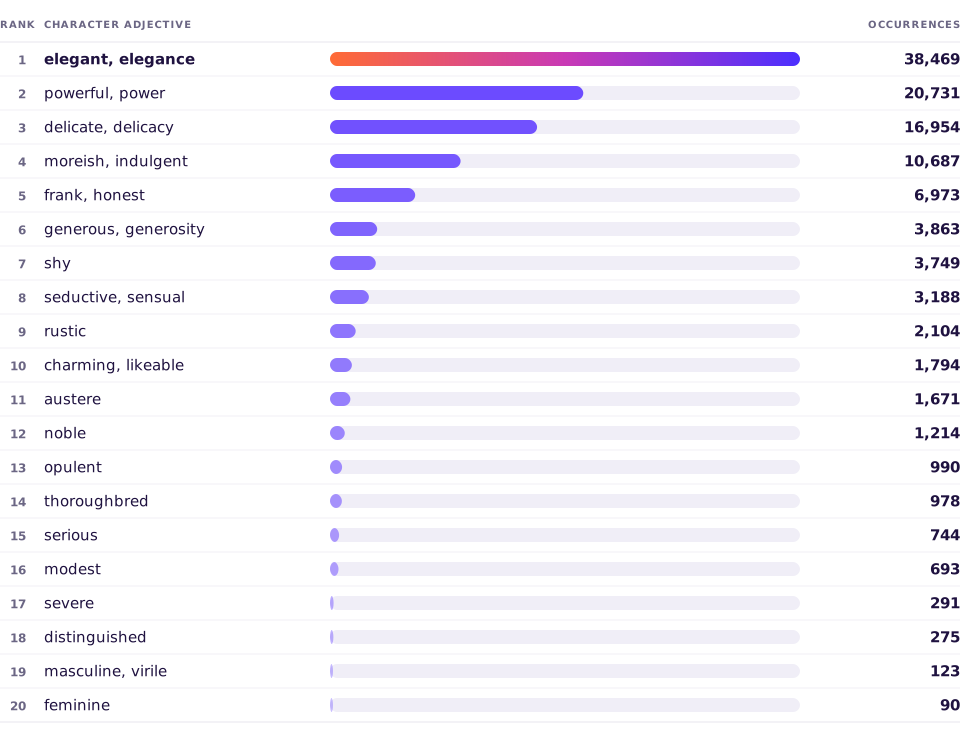
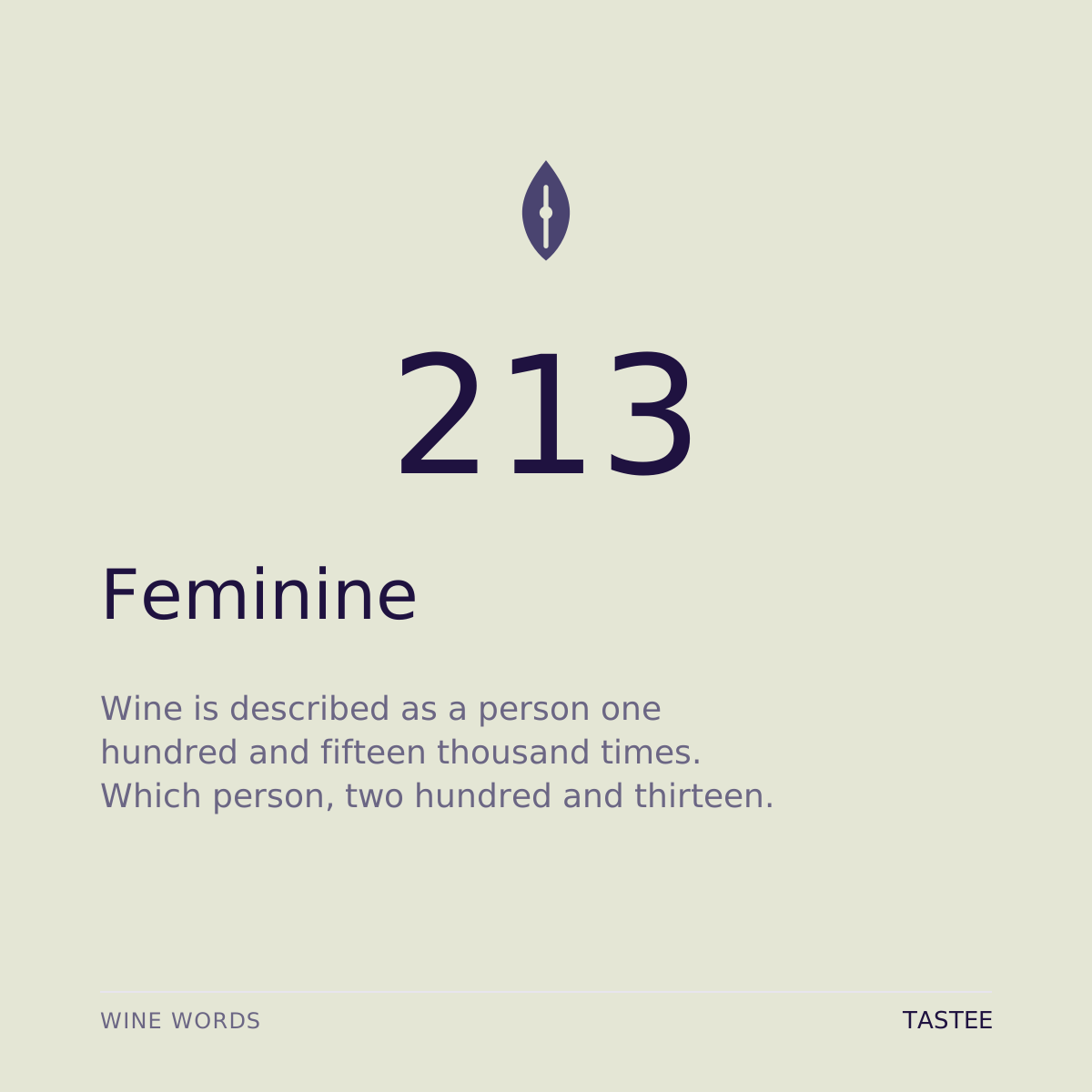
Wine is massively described as a person. The twenty terms in the table total 115,581 occurrences. But out of those 115,581, explicit gender accounts for only 213, less than two in a thousand of the character vocabulary.
The detail also runs against the accusation. It is the masculine that leads the feminine, 123 to 90. And “distinguished”, eighteenth in the ranking, still weighs twice the two combined.
The 90 occurrences of “feminine” are spread over only 51 distinct expressions, which can therefore be read one by one. Some do not describe taste at all: “bottle with a feminine silhouette”, “packaging that borrows feminine codes”, “perfect for a feminine gift”. On the masculine side, one finds “smell of men's fragrance” and “taste of a men's locker room”.
Gender survives mostly where tasting is no longer the subject.
It would be tempting to conclude that the debate is settled. That would be moving fast. The first two words in the ranking, “elegant” and “powerful”, are precisely the ones critics point to as the coded substitutes for feminine and masculine.
The data shows that the explicit word has all but disappeared from tasting notes. It cannot say whether the distribution it stood for has disappeared with it. On that point, each reader will judge.
So wine has not stopped being described as someone. It is more than ever, a hundred and fifteen thousand times in this table alone. We have simply stopped saying who.
Record your own sensations on Tastee too! Who knows… the next “shy wine” in the database might be the one you write.
Thousands of comments sit dormant in notebooks, spreadsheets, and inboxes. Tastee turns them into sensory profiles, shareable reports, and ready-to-use materials — from a single cuvée's profile to an appellation's typicity, in every language your tasters write in.
Request a demo