The one flower you don't want to smell in a glass
On a balcony, geranium is a flower like any other. In a glass of wine, it is a sentence.
At the date of this analysis, out of the 4,143,729 tasting expressions analysed by Tastee, twenty-eight different flowers are named, for 38,410 occurrences. Here are the first twenty.
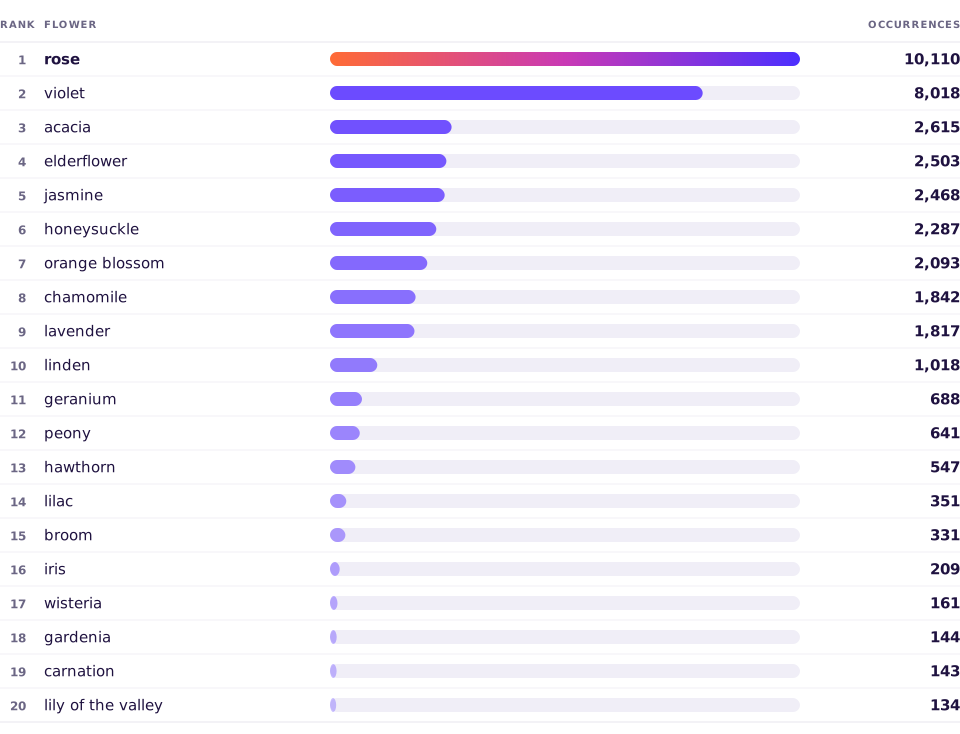
Right at the bottom, off the table, the usual long tail: mimosa 72 times, tuberose 42, jonquil 30, narcissus 26, freesia 25, ylang-ylang 9. And philadelphus, just once.
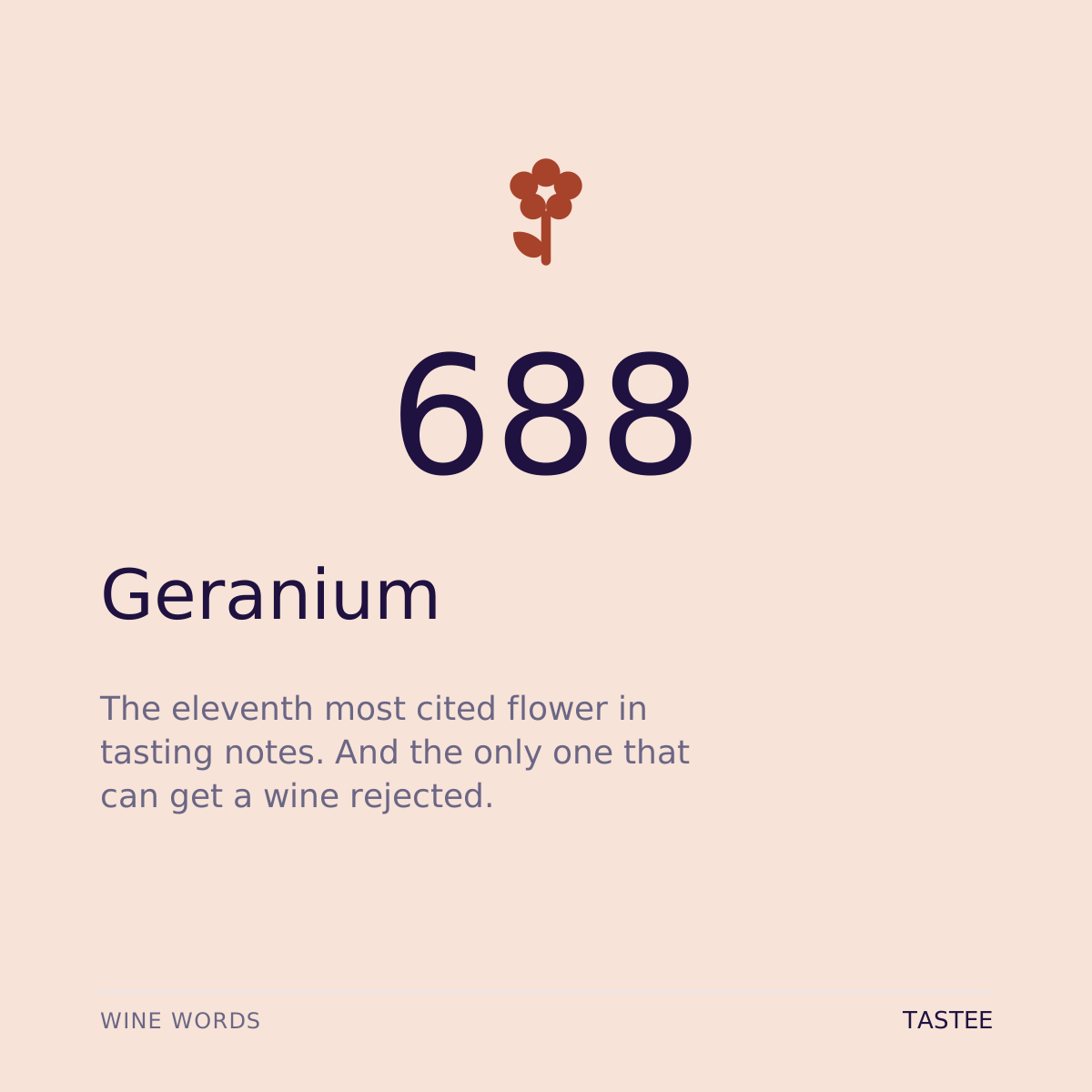
Geranium slips into eleventh place without a sound. It is cited more often than peony, twice as often as hawthorn, five times as often as lily of the valley. Nothing sets it apart on the page, except its origin. Geranium comes neither from the grape, nor from fermentation, nor from ageing. It is a bacterial accident, and it is grounds for rejection.
The word appears in black and white in the list of rejection terms used in the sensory examination of certain AOCs, alongside “corked”, “stable” and “mousy”:
“Geranium. Tasting: the specific smell of geranium. Cause: degradation of sorbic acid by lactic acid bacteria. Molecule: 2-ethoxyhexa-3,5-diene. Opposite fault: none.”
The origin is almost ironic. Potassium sorbate is added to wine to stop yeasts restarting in the bottle. If it meets lactic acid bacteria, they break it down, and manufacture the molecule that smells of geranium.
So the preservative meant to protect the wine is exactly what condemns it. And the perception threshold is counted in nanograms per litre: a few billionths of a gram are enough to mark an entire tank.
That is what makes geranium interesting. Most wine faults announce themselves plainly: cork smells of cork, stable smells of stable. Geranium borrows the name of a flower and sits down quietly in the middle of a floral ranking, between linden and peony.
Next time a white brings to mind a geranium on a summer balcony, don't take it as a compliment. Write it down anyway: it is valuable information.
Record your own aromas on Tastee too, flattering or not. Who knows… the next philadelphus in the database might be the one you write.
Thousands of comments sit dormant in notebooks, spreadsheets, and inboxes. Tastee turns them into sensory profiles, shareable reports, and ready-to-use materials — from a single cuvée's profile to an appellation's typicity, in every language your tasters write in.
Request a demo