The mid-palate has vanished
On the palate, a wine is usually told in three acts: the attack, the middle, the finish. In writing, only two of them survive, sometimes only one…
At the date of this analysis, out of the 4,143,729 tasting expressions analysed by Tastee, 2,166,017 concern the palate. Here is how the ones that clearly place a sensation in time break down.

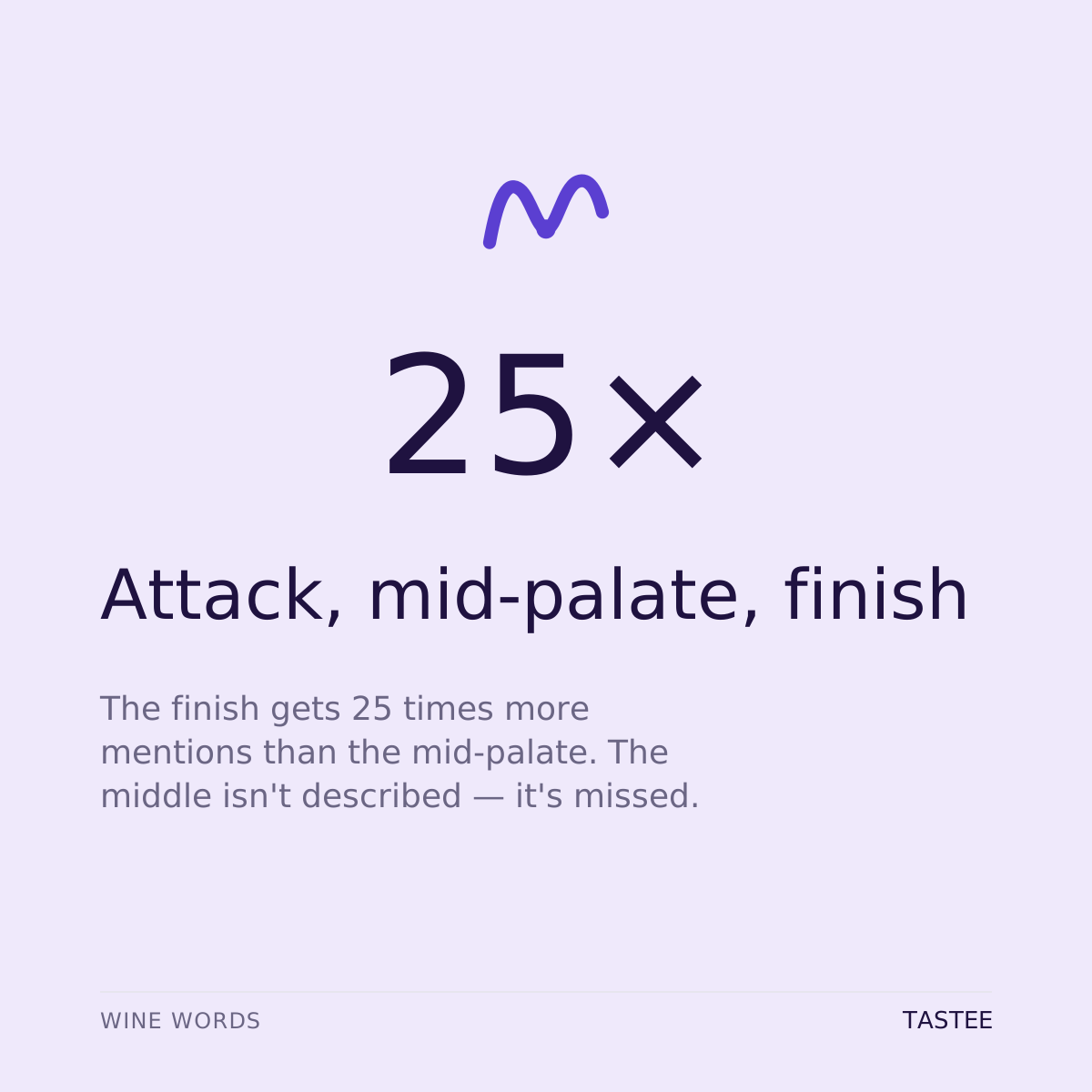
Out of 100 mentions placed in the timeline of the palate, 83 go to the finish, 14 to the attack, 3 to the middle.
And when the middle is mentioned, it is usually to say that it isn't there. Of the three most frequent mid-palate expressions, two are statements of absence: “hollow in the mid-palate” and “lacks mid-palate”. Close to one mention in six describes a hole, a gap or something missing.
The mid-palate isn't described. It's demanded.
Two explanations seem plausible to us.
The first: the finish can be measured. Long, short, medium: it has a duration, therefore a score. “Medium finish” alone is the single most frequent expression on the whole palate, with 16,372 occurrences. Hard to do the same with a middle.
The second: the attack and the finish are events, the middle is a transition. The attack strikes, the finish lingers. In between, nothing begins and nothing ends, and the vocabulary has little to hold on to.
Next time you write “supple attack, long finish”, why not try filling the hole… in the middle.
Record your own sensations on Tastee too, from start to finish. Who knows… the next precisely described mid-palate might be the one you write.
Thousands of comments sit dormant in notebooks, spreadsheets, and inboxes. Tastee turns them into sensory profiles, shareable reports, and ready-to-use materials — from a single cuvée's profile to an appellation's typicity, in every language your tasters write in.
Request a demo