Competition
1,200 Burgundy cuvées, a jury of professionals and a selection to settle, without a single paper form to collect at the end of the day.
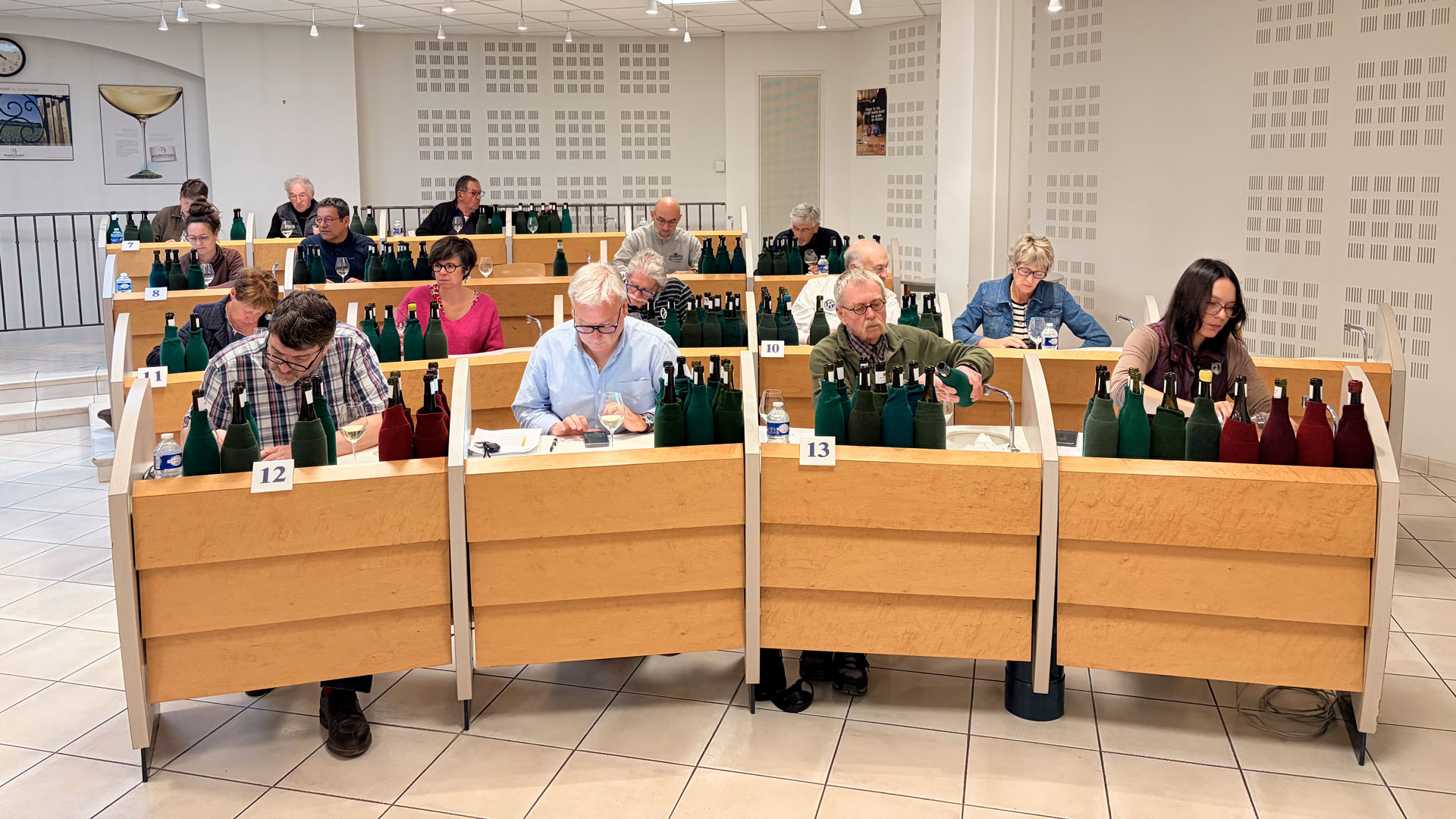
Every year, the BIVB Cave de Prestige brings together dozens of experts to evaluate more than 1,200 Burgundy cuvées blind. To digitalise this large-scale tasting, simplify real-time tracking and transform expert comments into truly exploitable data, the BIVB integrated Tastee this year at the heart of its selection process.
The Bureau Interprofessionnel des Vins de Bourgogne (BIVB) has been organising the Cave de Prestige since 1971: a selection programme that identifies the most representative cuvées from each appellation to serve as ambassadors for the region worldwide. With more than 1,200 cuvées to evaluate across several sessions, the process had until now relied entirely on paper. This year, the BIVB integrated Tastee to digitalise the tasting and transform expert comments into data that can be analysed at scale.
Before Tastee, Cave de Prestige evaluations were done entirely on paper. The score given to each wine was the only criterion that could be meaningfully exploited at the scale of the programme. Tasters did write comments, but these notes remained largely unusable: processing them manually for 1,200 cuvées and dozens of experts would have represented several weeks of work. A task simply out of reach in a paper-based format.
This is where Tastee makes its primary contribution, in two distinct phases.
During the tasting
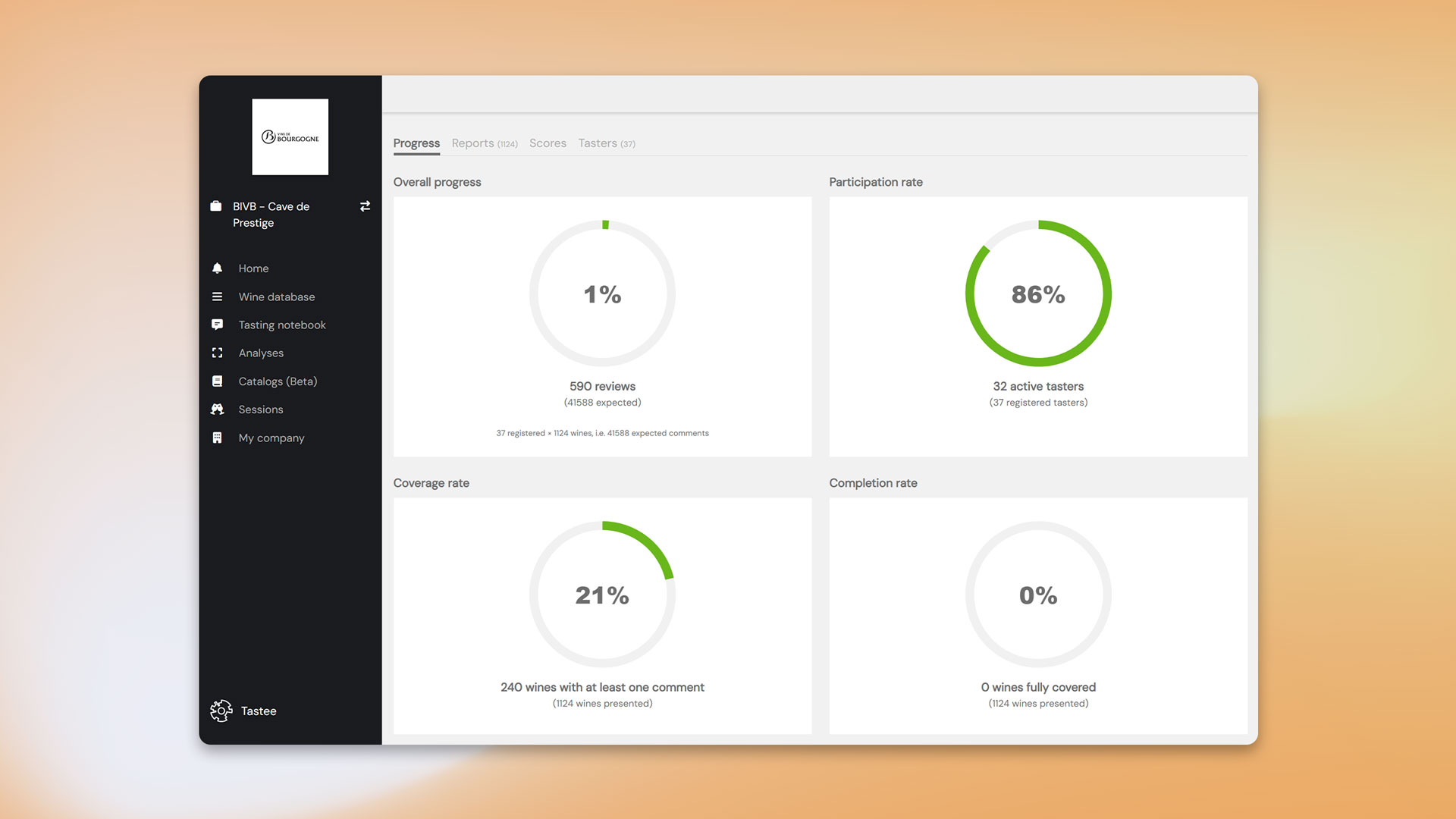
Tastee streamlines data entry and provides real-time tracking, enabling rapid identification of the wines that stand out, monitoring of session progress, and a clear view of which cuvées have been evaluated at any given moment.
After the tasting
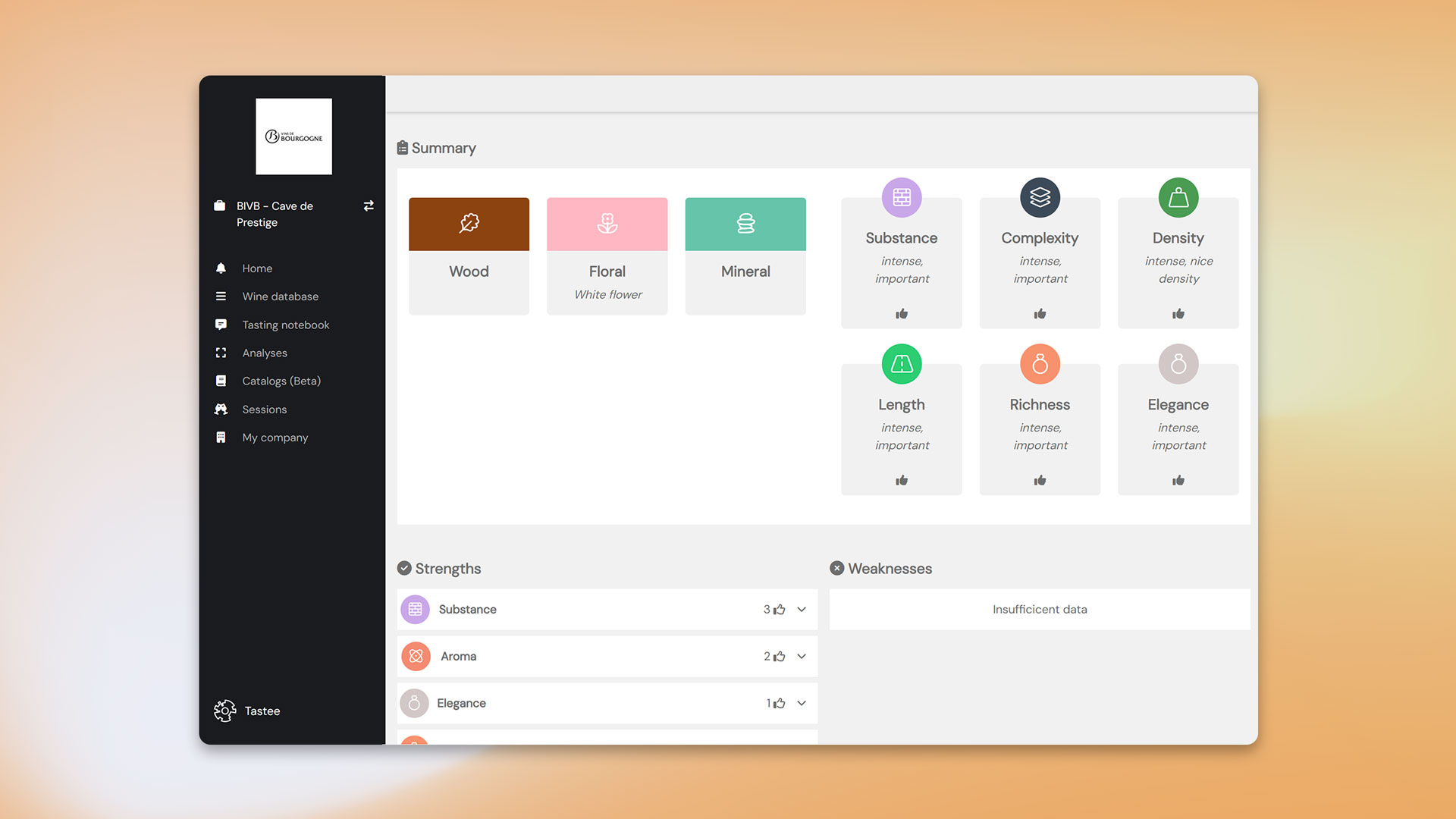
The in-depth analysis of flavour profiles, recurring descriptors and trends by appellation is generated instantly by Tastee. Work that would have taken several weeks in a paper-based format, with far less reliable results.
The key was adapting to the organiser’s constraints and tasting process. For the Cave de Prestige, the BIVB chose a single-session model: all registered cuvées coexist within one unified Tastee session. Each expert selects the wines they are responsible for evaluating from the 1,200 available, tasting them blind.
Onboarding is immediate. To join the session, each taster simply scans a QR code. They then access the Tastee interface on their smartphone or computer, select the wines they are evaluating, and enter their comments and assessments directly online, with no installation required.
The first session took place in the BIVB’s tasting room in Beaune, with 32 tasters who collectively evaluated 240 cuvées out of the 1,200 registered. Results were centralised and made instantly available in Tastee, with no manual re-entry or consolidation of paper sheets. Further sessions are scheduled throughout April to progressively cover the full panel and finalise the selection.
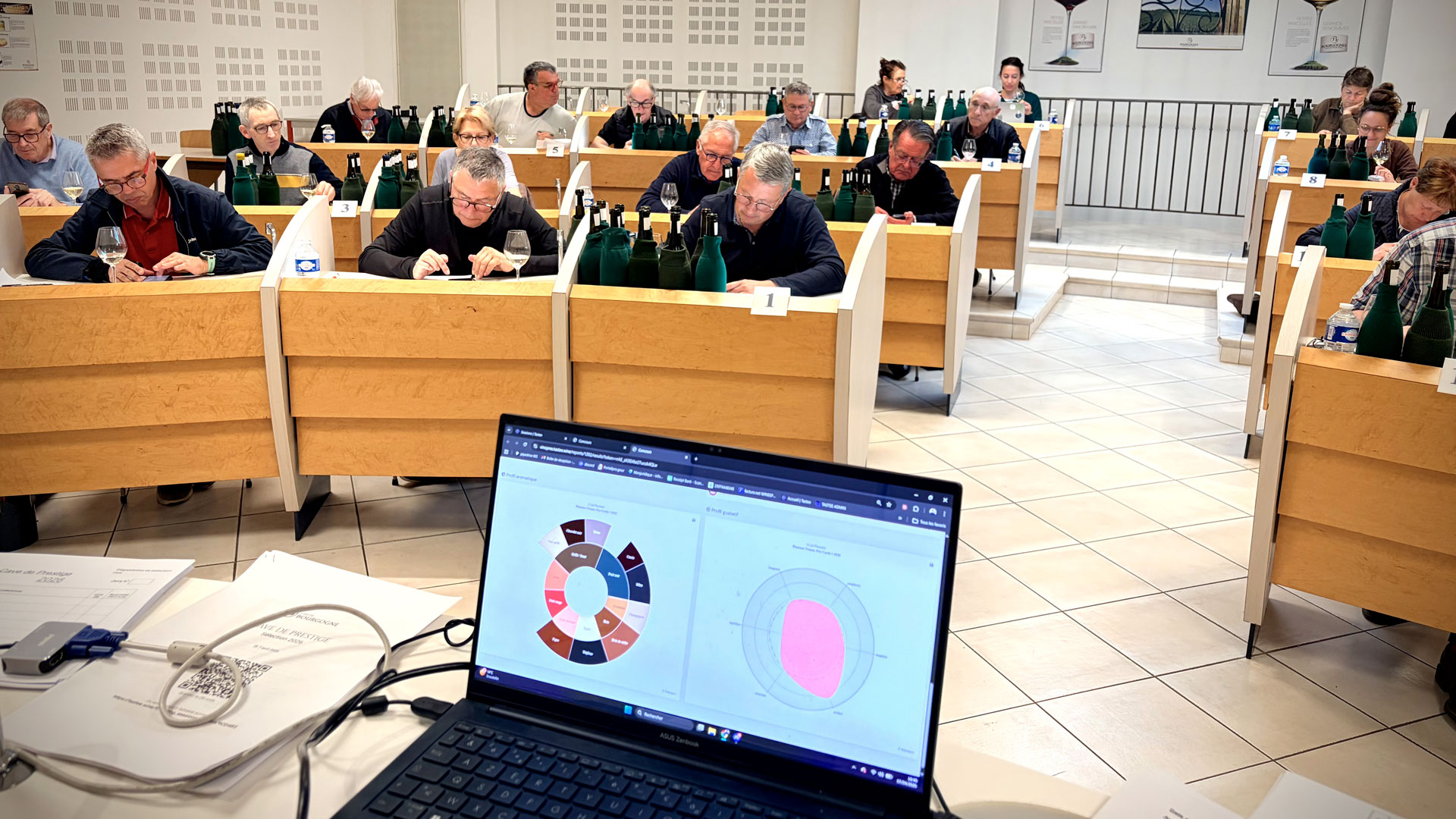
The most significant change is not logistical: it concerns the status of the tasting comment. Where paper relegated it to an informal annotation that was nearly impossible to process, Tastee makes it a central piece of product knowledge. Beyond evaluation, what matters is understanding each wine’s profile, something a score alone cannot provide. Each taster expresses their impression, their perception of the wine’s gustatory and aromatic characteristics, building a precise and nuanced description of each cuvée.
Across 1,200 cuvées and dozens of experts, this data becomes an unprecedented knowledge base on the Burgundy vineyard: flavour trends by appellation, vintage typicity, recurring descriptors for the most consistent wines. Data that can feed far more than an annual selection, opening new possibilities for vineyard knowledge, marketing strategy, and differentiated communication by market or consumer profile.
The BIVB case illustrates a situation common in the wine world: large professional organisations manage considerable volumes of cuvées to evaluate, with juries of experts with varying availability and high requirements for rigour and traceability. Faced with these volumes, the traditional paper-based, manual approach shows its limits. What is needed is a platform designed for professional tasting, capable of simultaneously managing a large wine library, dozens of evaluators and automated results analysis. That is precisely what Tastee delivers.
One jury or ten, fifty wines or a thousand. We adapt Tastee to your tasting process, from session set-up to the analysis of tasting notes.
Tell us about your selection